

Phonics and Reading
Phonics Scheme
We use Unlocking Letters and Sounds which was validated by the DfE in December 2021.
We begin teaching phonics in the first few weeks of term 1 in Reception and children make rapid progress in their reading journey. Children begin to learn the main sounds heard in the English Language and how they can be represented, as well as learning ‘Common Exception’ words for Phases 2, 3 and 4. They use these sounds to read and write simple words, captions and sentences. Children leave Reception being able to apply the phonemes taught within Phase 2, 3 and 4.
Please see document at the bottom of the page to support ‘Actions, Images and Letter Formation’ document.
In Year 1 through Phase 5a, b and c, they learn any alternative spellings and pronunciations for the graphemes and additional Common Exception Words. By the end of Year 1 children will have mastered using phonics to decode and blend when reading and segment when spelling. In Year 1 all children are screened using the national Phonics Screening Check.
In Year 2, phonics continues to be revisited to ensure mastery of the phonetic code and any child who does not meet age related expectations will continue to receive support to close identified gaps. For further details please see the Unlocking Letters and Sounds progression attachment at the bottom of the page.
To ensure no child is left behind at any point in the progression, children are regularly assessed and supported to keep up through bespoke 1-1 interventions. These include GPC recognition and blending and segmenting interventions. The lowest attaining 20% of pupils are closely monitored to ensure these interventions have an impact.
|
Monday
Children will have an Unlocking Letters and Sounds phonics book and a book of their own choice from our reading trollies. |
Children can read the books at home and then they must bring them into school each day.
Adults and children should record their reading in yellow reading records. |
Friday
Books will be changed when they are they are finished as shown on their Reading log.
|
Boom Reader App
Boom Reader (formerly Go Read) is our new App to allow you to log your child's reading electronically. After listening to your child read, simply log the reading you have done on your phone. We can then analyse the children's reading habits and set rewards.
Dorset Library Service
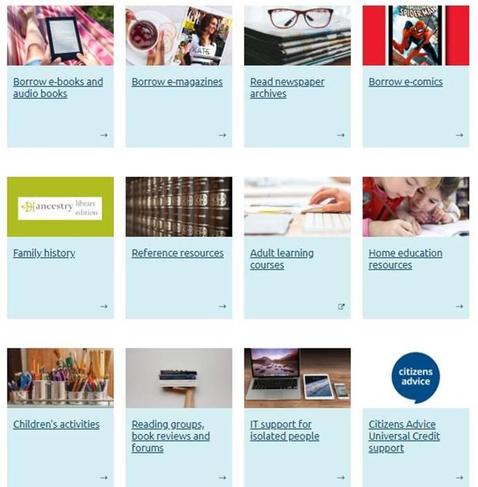
Dorset Council Library buildings may be closed, but they have updated their web pages to reflect what libraries can offer to people at home, even if you can’t visit an actual library. They are updating the pages regularly so make sure you keep checking to find out what’s new, what’s on offer, and what you can join in with.
Take a look yourself https://www.dorsetcouncil.gov.uk/libraries-history-culture/libraries/libraries.aspx
It is essential that children are heard read as much possible right from reception to Year 6. Children need to read regularly to an adult to help improve fluency and expression, to enhance their understanding of vocabulary and to answer questions based on their reading to aid their understanding of what they have read.